Hello, my loves!
Grab yourself a cappuccino, get comfortable and tell me: when did looking after ourselves become another full-time job? Apparently, we're supposed to exercise, meditate, eat perfectly, answer emails and somehow look serene while doing it. Meanwhile, I'm just trying to remember whether I've put the washing on or merely thought very hard about putting the washing on.
Since turning 40 in 2026, I've been thinking differently about wellbeing. I still love goals and spreadsheets — I am an accountant, after all. But I'm less interested in chasing the appearance of a healthy lifestyle and much more interested in how I actually feel. Am I sleeping, eating properly and giving myself the care I'd offer somebody else?
If you're juggling work, family, relationships, money and a phone that never seems to stop pinging, this is for you. We're talking about holistic health for busy women in the real world: practical ways to look after your body, mind and mood without spending a fortune, abandoning your favourite foods or pretending every day is a spa retreat.

Photo: Dua'a Al-Amad / Pexels.
What Does Holistic Health Actually Mean?
Holistic health means looking after your physical, mental, emotional and social wellbeing together, rather than treating each part of your life as completely separate. It isn't about fixing everything with herbal tea. It's that sleep, movement, nutrition, relationships, stress and access to medical care all deserve attention because they influence how we manage everyday life.
Think about a week when work is particularly stressful. You stay up late, grab whatever food is convenient, cancel a walk with a friend and feel increasingly irritable. None of those things happens in isolation. Rest, regular meals or talking to someone can make it more manageable. Holistic wellbeing isn't a magical cure, and it shouldn't replace NHS care or treatment; it's a sensible way to pay attention to the bigger picture.
Here are the small habits I'd focus on in 2026, without turning your wellbeing into yet another project to manage.
1. Find Movement That Fits Your Actual Life
You do not need to become a runner or fall in love with burpees. If you've ever signed up for an ambitious fitness routine on Sunday evening and regretted your entire personality by Tuesday, you'll know why I prefer a realistic approach. A brisk walk, dancing in the kitchen, swimming or cycling somewhere pleasant all count as ways to move. The best activity is one you can do safely and return to regularly.
The NHS physical activity guidance for adults aged 19 to 64 recommends at least 150 minutes of moderate activity each week, or 75 minutes of vigorous activity, plus muscle-strengthening activities on at least two days. It also advises breaking up long periods of sitting. With moderate activity, you can still talk, although singing might be a struggle. So yes, a purposeful walk to the shops can contribute; browsing the biscuit aisle at a leisurely pace may be a different matter.
If 150 minutes sounds daunting, start with what you're comfortably able to do. Ten minutes outside at lunchtime, a walk after dinner or a short session of strength exercises at home is a perfectly reasonable beginning. You can build gradually. If you've been inactive for a while or have a medical condition, check with your GP about what is appropriate for you. Movement should support your health, not punish your body for existing.
2. Eat to Nourish Yourself, Not to Win a Food Competition
Food is one of life's pleasures. It connects us to family, culture, celebrations and memories, which is why I have very little patience for wellness advice that makes every meal sound like a disciplinary hearing. You don't have to give up jollof rice, pasta or the occasional slice of cake to care about your health. And you certainly don't need a cupboard full of expensive powders with names you can't pronounce.
The NHS Eatwell Guide recommends a varied balance of fruit and vegetables, higher-fibre starchy foods, proteins, dairy or alternatives, and small amounts of unsaturated oils. It suggests aiming for at least five portions of fruit and vegetables a day, with the balance considered across a day or week rather than forcing every plate to look perfect. Frozen vegetables, tinned beans, eggs, lentils and oats can be nutritious and budget-friendly, which is excellent news for those of us living in the real UK economy.
Make the easy choice easier. Keep ingredients for two or three simple meals available, and make enough leftovers for tomorrow when you can. Also, remember your drinks: NHS advice uses six to eight cups or glasses of fluid daily as a general guide, with individual needs varying. Water is lovely, but tea and coffee also count. I was delighted to discover my cappuccino isn't automatically disqualified from being useful.
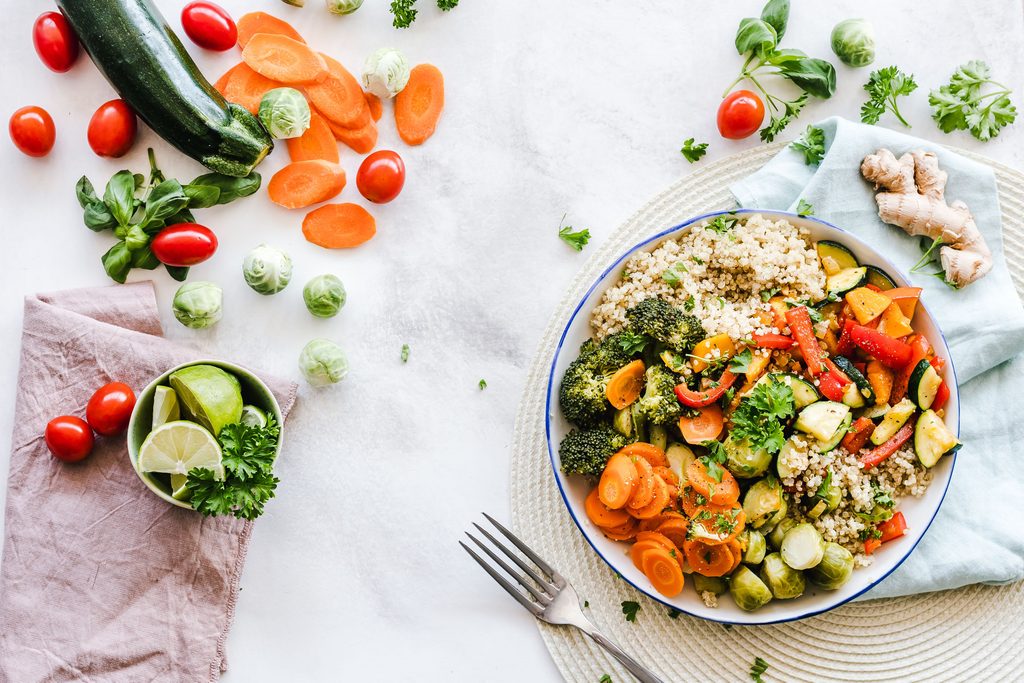
Photo: Ella Olsson / Pexels.
3. Give Sleep the Respect It Deserves
There was a time when I thought staying up late to finish one more task was a sign of dedication. These days, I increasingly think the most sophisticated thing a woman can do is recognise that she's tired and go to bed. Revolutionary, I know. Unfortunately, a good night's sleep doesn't come with a certificate you can add to LinkedIn, but it does make the following day rather easier to navigate.
According to NHS Every Mind Matters, most healthy adults need around seven to nine hours of sleep a night, although individual needs differ. It helps to keep fairly consistent sleep and wake times and create a bedroom that's comfortable, dark and quiet. A gentle evening routine, less late-night scrolling and giving yourself time to unwind can also help. Personally, it's usually the 'just one more episode' promise that causes the trouble.
Try working backwards from the time you need to wake up, and protect a realistic wind-down period. You don't need expensive bedding or a complicated nighttime ritual. If sleep problems keep recurring, or tiredness is affecting everyday life, speak to your GP rather than assuming you simply need to become more disciplined. Sometimes feeling worn out is a sign that something needs proper attention.

Photo: cottonbro studio / Pexels.
4. Give Your Mind Somewhere to Put the Stress
Stress is a bit like that guest who arrives unexpectedly and then starts making suggestions about your furniture. Some stress is unavoidable, but living in a constant state of urgency can make everything feel harder. If you're replying to work messages while thinking about bills, dinner, family plans and whether you've remembered somebody's birthday, your mind may not be getting much of a break.
For me, a useful first step is recognising the difference between a problem that needs solving and a feeling that needs acknowledging. Sometimes I genuinely need an action plan; sometimes I need to stop, breathe and admit that I'm overwhelmed. A short walk, writing down what is worrying you, listening to music or talking to a trusted person can create a little breathing room. The NHS Every Mind Matters site also offers practical ways to work with stress, worry and low mood.
And please don't feel that you have to solve every emotional difficulty with mindfulness. If anxiety, low mood or stress is persistent or affecting your life, seeking professional help is a sensible and courageous step. Your wellbeing matters more than maintaining the appearance that you're coping brilliantly.
5. Protect Your Time Without Apologising for Existing
Let's talk about boundaries. If you're the dependable woman who remembers appointments, solves problems and makes sure everything runs smoothly, it's very easy to become the unofficial operations manager of everybody else's lives. The trouble is that being capable doesn't give you unlimited time or energy, however much the people around you might enjoy believing otherwise.
Looking after yourself can mean saying, 'I can't take that on this week', putting your work notifications away in the evening or leaving an empty hour in your diary without immediately finding something useful to fill it. It can also mean asking for help with cooking, cleaning or emotional responsibilities instead of quietly resenting the fact that you're doing everything yourself.
One lesson I'm carrying into my forties is that you can care deeply about people without being permanently available. A boundary doesn't have to be a dramatic announcement. Often it's an ordinary conversation, followed by being consistent. And no, a polite 'no' doesn't require an explanatory document with appendices.
6. Make Room for People and Things That Lift Your Mood
Wellbeing isn't just something we accomplish on our own. Friendship, affection, laughter, community and a sense of belonging matter too. It can be surprisingly easy to let those things slip when life is busy. We promise to meet up soon, put it off until next month and suddenly realise we've been communicating almost entirely through emojis and birthday messages.
Make connection part of your routine. Phone a friend on a walk, arrange a simple coffee, join a class or spend some time with people who allow you to be yourself. Not every social moment needs expensive tickets or a perfectly planned weekend. Sometimes sitting in someone's kitchen and having a proper chat does more for your mood than another hour scrolling through other people's lives.
Being alone can be restorative too. The point is noticing whether you're getting enough of the connection and quiet that you need, rather than following somebody else's idea of a fulfilling social life.
7. Remember That Looking After Yourself Includes Medical Care
This is the part of holistic health that sometimes gets lost among the scented candles and inspirational quotes. Lifestyle habits can support your wellbeing, but they aren't substitutes for appointments, investigations, prescribed treatment or advice from a qualified professional. If you're feeling unusually tired for weeks, experiencing persistent pain, noticing worrying symptoms or struggling with your mood, you deserve to have those concerns taken seriously.
Keep up with the NHS screening and health reviews you're invited to, and talk to your GP or pharmacist when something doesn't feel right. It's also worth remembering that health advice isn't one-size-fits-all. What is appropriate for someone recovering from illness, managing a long-term condition or going through a demanding period of life may look very different from what works for somebody else.
I think there's something quietly empowering about that. We don't have to prove we're 'healthy' by doing everything ourselves. Asking questions, accessing care and making informed choices are all part of looking after the whole person.
8. Build Habits That Survive an Ordinary Tuesday
The biggest problem with elaborate wellness routines is that they often depend on a fictional version of us who has unlimited time, perfect motivation and no unexpected meetings. She sounds lovely, but I have never met her. Rather than promising to change everything at once, pick one habit that removes a little friction from your day.
Perhaps that's preparing tomorrow's lunch while you're making dinner, laying out your walking shoes, setting a bedtime reminder or taking ten quiet minutes before switching from work mode to home mode. Give your new habit a chance to settle before adding another. If a difficult week interrupts it, come back when you can rather than deciding the entire month is ruined.
And don't make your wellbeing another performance review. There is no prize for the woman with the prettiest habit tracker. The point is to feel better supported in the life you're actually living, even if your Tuesday includes traffic, a delayed train and something unexpected arriving in your inbox at 4.59pm.
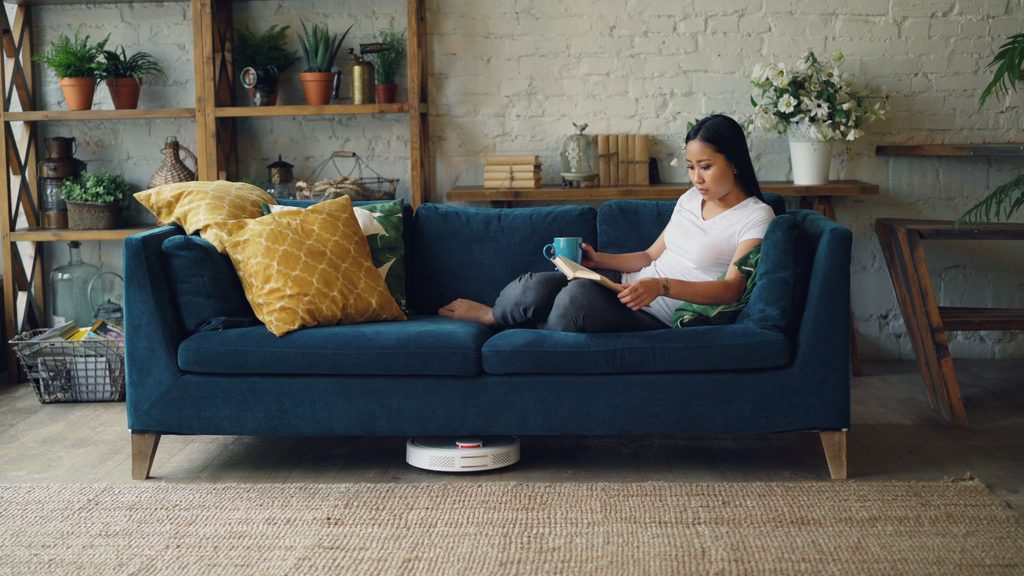
Photo: Vitaly Gariev / Pexels.
Your Simple Holistic Wellbeing Checklist
You don't have to tick every box every day. Use this as a gentle weekly check-in and choose one or two areas to give attention to next.
- Have I made time for movement that feels appropriate for my body?
- Have I had a reasonable variety of nourishing meals and drinks?
- Am I giving myself enough opportunity for sleep?
- Have I noticed how I'm feeling rather than pushing through automatically?
- Is there one responsibility I could share, delay or say no to?
- Have I made time for connection, joy or peaceful solitude?
- Am I getting any medical support or check-ups I need?
- Is my wellbeing routine realistic for the week I'm actually having?
If the answer to several questions is no, that isn't evidence you've failed. It might simply tell you that you've been carrying a lot. Choose the kindest useful next step rather than eight new rules.
Frequently Asked Questions About Holistic Health
1. Can I practise holistic health without spending much money?
Absolutely. Walking, regular sleep, affordable balanced meals, social connection and taking breaks don't require a luxury gym membership or a shopping basket full of supplements. Free NHS resources can also help you make informed choices. Your health deserves attention, not an unnecessarily expensive subscription.
2. Does holistic health mean using alternative medicine?
No. In this article, holistic health means considering your physical, mental, emotional and social needs together. It does not mean replacing evidence-based healthcare with unproven treatments. Sensible lifestyle habits and appropriate medical care can work alongside each other.
3. What if I don't have time to make lots of changes?
Start with one change that fits a routine you already have. A short walk during lunch, a more consistent bedtime or arranging a catch-up with a friend can be a manageable starting point. Your plan needs to fit your responsibilities and health, not somebody else's ideal schedule.
A Healthier Life Should Feel Like a Life You Want to Live
At 40, I don't want my wellbeing to become another set of targets that I quietly worry about missing. I want enough energy to work, laugh, spend time with people I love and enjoy the life I'm building. Some weeks I'll manage the walks, vegetables and early nights beautifully. Other weeks I may survive on sensible shortcuts, good intentions and an exceptional amount of tea. Both weeks belong to real life.
So if you take one thing from this updated guide, let it be this: looking after yourself doesn't require perfection; it requires paying attention to what you need and responding with care. Start small, adjust when life changes and remember that rest, enjoyment and medical support are not optional extras you have to earn.
I'd love to hear from you in the comments: what's one small wellbeing habit that genuinely makes your week better? And if you'd like more gentle ideas, you might enjoy my soft-life morning routine.
Until next time, my loves, take care of yourselves — and enjoy that cappuccino.
Stay brave,
Nefe x
About the author: Nefe Oguntoye is an ACCA-qualified accountant, qualified life coach, writer and host of Cappuccinos & Confidence. She writes about confidence, money, personal growth and navigating the lovely, messy business of everyday life.